When the Buzz Fades: Overcoming Post-Event Blues
Taking on Those Big Challenges
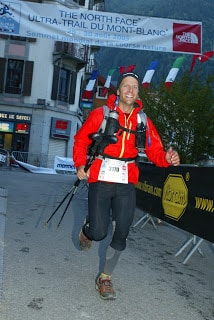
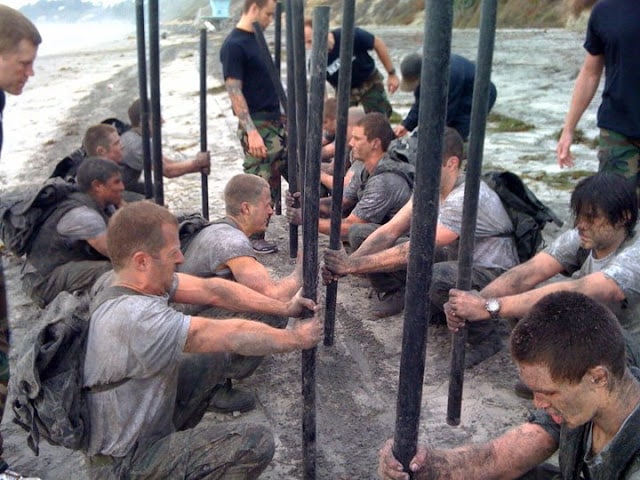
Challenging races and events provide direction, purpose, and a daily reason to train hard, even when you don’t feel like it. From marathons to SEALFIT Kokoro, moonshot challenges pull us out of comfort zones and into transformation. For many, finishing a tough event marks a turning point — from stagnation to healing, or from surviving to thriving.
Where Coaching Often Stops Short
Most coaching stops after race day. But what happens next? You trained hard, nailed your nutrition and hydration, and pushed through adversity to the finish line. Now you’re left with… nothing? Here’s where the next challenge begins.

Hit by the Blues Hammer
Post-race blues can hit hard — an emotional drop after a high, like a break-up with the version of you that trained for the event. The big day has passed, the mission complete, and now you feel empty. If this sounds familiar, you’re not alone. Cue the blues soundtrack — BB King or Stevie Ray Vaughan say it best.
My First Post-Race Blues
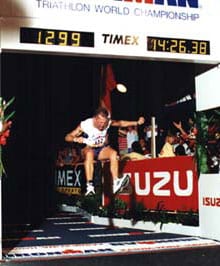
After finishing my first Ironman in 1996, I felt proud, inked a new tattoo — then fell into a deep funk. I had no clue why my spark was gone. Motivation vanished, and so did my love for training. Turns out, this is more common than most athletes realize. The crash often follows the high.
Frustrating, but Normal
I’ve seen post-event blues in countless athletes I’ve coached. The bigger the event, the deeper the potential low. Even small events can create that emptiness. The key is to recognize it early and respond constructively.
Dealing with Failure
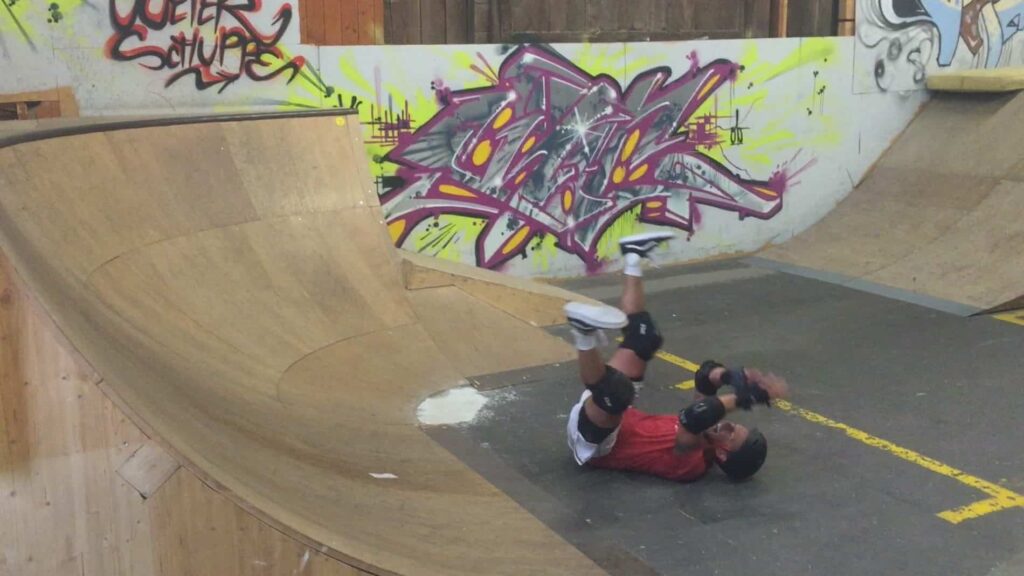
If you pushed yourself and didn’t finish, that pain is real. But it doesn’t define you. Create momentum, document what you learned, and step forward. The mountain will still be there. Most importantly, remember: events don’t define you.

Dealing with Success
Strangely, a great finish can lead to a crash too. The goal is gone, the mission complete, and you feel aimless. You chased something big — now what? Many athletes feel this vacuum after success. Recognize it and plan ahead.
How to Come Out of It
Plan for the blues just like you plan for the race. Expect it, and be kind to yourself when it arrives. Use the three-phase approach: preventative care, triage, and after-care.
Preventative Care
Well before race day, reflect on what your event symbolizes. Ask yourself: is the race the only way I can feel confident, happy, or relevant? Can I access those feelings elsewhere? Do this work early and often.
Select a Follow-Up Event
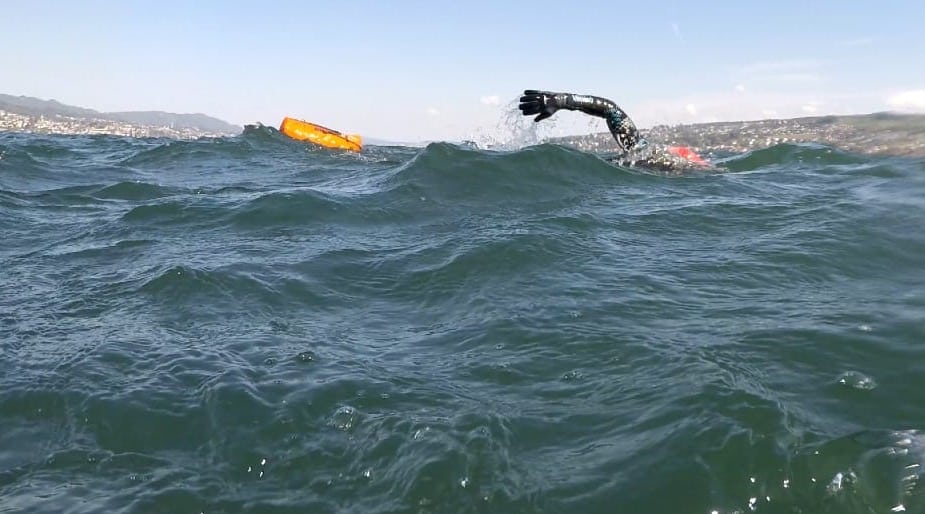
Sign up for something new — another race, an adventure, a bikepacking trip, anything. It gives your training a fresh mission and redirects your energy with purpose.

Triage
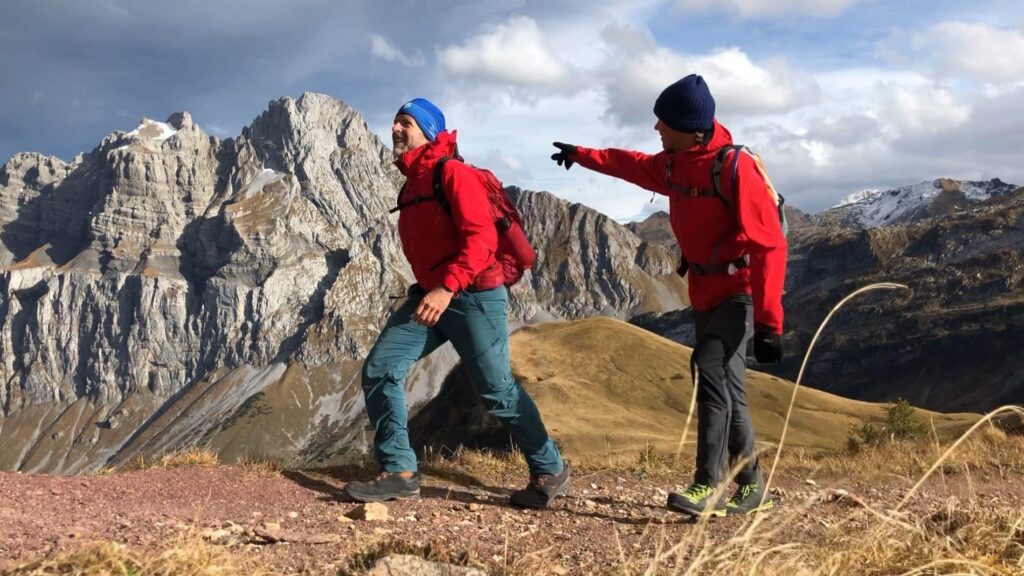
When you’re at your lowest, movement is the key. Don’t freeze. Volunteer, learn something new, talk to someone, or just go for a walk in nature. Give back to your community. If the fog doesn’t lift, talk to a therapist. There’s strength in asking for support.
Taking My Own Medicine
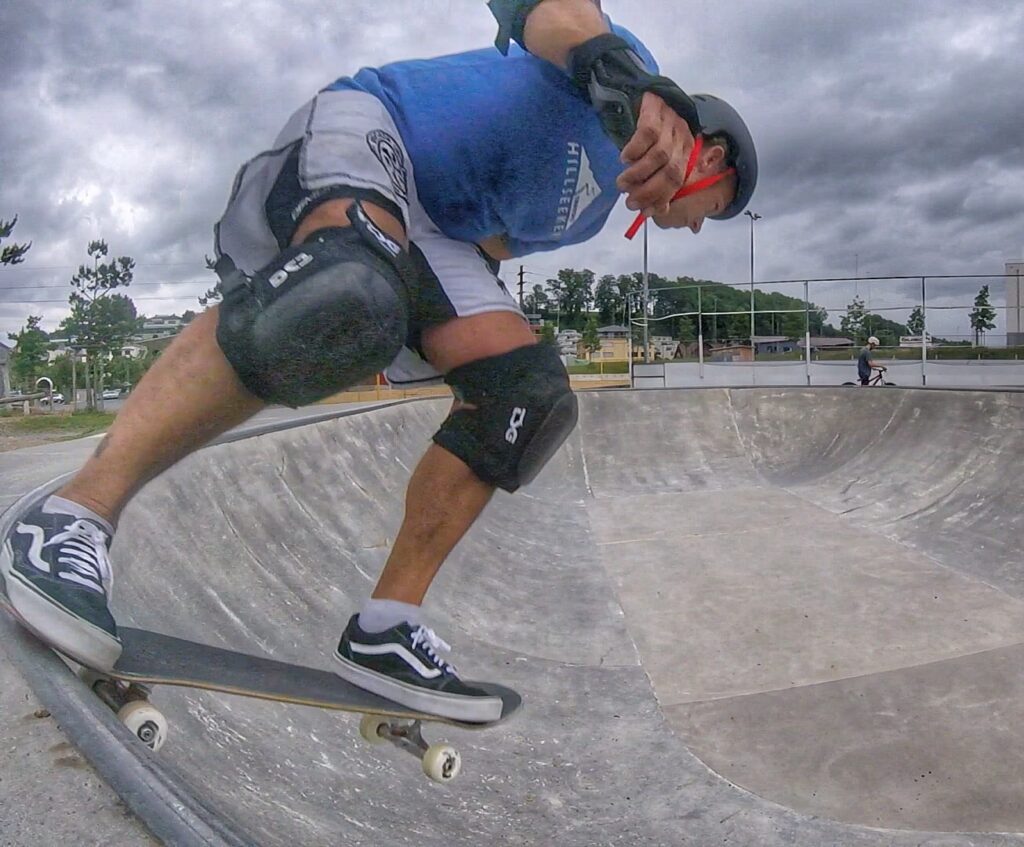
After Ironman, I built a wobbly workbench. Years later, I picked up skateboarding again. Both helped pull me out of post-event ruts. Small wins matter — they create the spark for momentum.
After-Care
When your mind clears, reflect on the experience. What did you learn? What can you pass on? Talk with your coach or athlete friends. Most importantly, re-enter the arena. You belong there.
Back to the Arena
Teddy Roosevelt said it best — the credit belongs to those who dare greatly. That’s you. Dust yourself off and claim your place in the arena. It’s where your next great moment begins.
If this post resonates, grab the free Green Supercharger PDF — one color, one practice, and a feeling like you just put an oxygen mask on and took the deepest breath of your day.
Free — The Green Supercharger
Real Coaching, Not a PDF Teaser
A course video, a coaching audio, a guided visualization, and a 5-page reference guide — four formats of the same tool I've coached for twenty years. One color. Everything you need to use it. Free.
GET THE GREEN SUPERCHARGER →